30 Relaxing Things to Do at Home (Most Take 5 Minutes)
30 relaxing things to do at home, most in 5 minutes or less: ideas for evenings, days off and low-energy moments, and none of them cost money.
The kids are finally asleep, or the laptop is finally closed, and you have a little time. Then you spend it scrolling and feel more wired than before. Sound familiar? This list of relaxing things to do at home is built for that moment. Most ideas take five minutes or less, all of them are free, and you can do them in pajamas. Scroll to the section that fits your time and energy, or read the last part to pick based on what you need.
Key takeaways
- The fastest ways to relax at home: slow breathing, a quick muscle release, two minutes outside, a warm drink with no screen.
- Most of these 30 ideas take five minutes or less, and none of them cost money.
- Pick by what feels tense: a tense body needs movement or warmth; a busy mind needs a brain dump and something gentle to focus on.
- For evenings, dim the lights, read a few pages of a paper book and write down three things that went well.
- Relaxation is a skill that improves with practice, so if one idea doesn't work, try another.
How to relax in 5 minutes or less
Short on time? Start here. These work between chores, after a tough call or right before bed.
- Breathe out longer than you breathe in. Breathe in through your nose for a count of four, then out through your mouth for a count of six. Repeat for a minute or two. Deep breathing is one of the relaxation techniques Mayo Clinic lists.
- Do a mini muscle release. In progressive muscle relaxation, Mayo Clinic suggests tensing a muscle group for about five seconds, then relaxing it for 30 seconds. A quick version: shoulders up to your ears, hold, drop. Then fists. Then your jaw.
- Step outside for two minutes. The porch, the balcony, the front steps or just an open window. Look at the sky, or at the farthest thing you can see.
- Make a cup of tea and drink it screen-free. Watch the steam. Hold the mug with both hands. Let the drink be the only thing you're doing.
- Play one song you love and only listen. No cooking, no texting. Lie on the floor if you feel like it.
- Roll your shoulders and stretch your neck. Slow circles, then ear toward shoulder on each side. Desk days leave tension right there.
- Play one level of a calm puzzle. A small game with no clock gives your mind something gentle to hold. We made Munchy Ants for exactly this. It's a calm, no-timer color puzzle for iPhone where ants eat a pixel-art picture, and it's free to play: tap a box and a line of ants marches out to munch the picture, made of sugar cubes. Levels are short and the music is cozy, so one level fits a five-minute break. If you like the idea, we also have a list of relaxing phone games with no timer.

Munchy Ants
A calm color puzzle with no timer. Play at your own pace. Free to play.
Relaxing things to do in the evening
Evenings are when stress from the day likes to catch up with you. These ideas help you land.
- Take a warm shower or bath. Make it slower than usual. Turn off the bright light and use a small lamp in the hallway instead.
- Dim the lights an hour before bed. Switch from ceiling lights to lamps. A darker room signals that the day is winding down.
- Do a brain dump. Write down tomorrow's tasks and anything nagging at you, then close the notebook. Your worries will still be there in the morning, on paper instead of in your head.
- Read a few pages of a paper book. Fiction works best for many people. Ten pages is enough.
- Try a short visualization. Mayo Clinic describes it as taking a mental trip to a calm place using as many senses as you can. Picture a beach: the smell of salt water, the sound of the waves, warm sun on your skin.
- Write down three good things. The NHS suggests ending the day by writing three things that went well or that you're grateful for. Small counts: a good sandwich, a kind text, a green light.
If evenings are when you struggle most, our guide to unwinding after a long workday goes deeper.
Relaxing things to do on a day off
A free afternoon is a chance for longer, slower activities. Pick one, not all of them.
- Take a long walk somewhere green. A park, a trail, a street with big trees. In a study of nearly 20,000 people in England, people who spent at least 120 minutes a week in nature were more likely to report good health and well-being. It didn't matter if that time came in one long visit or several short ones.
- Cook something slow with what's in the pantry. A pot of soup, rice and beans, banana bread from the brown bananas on the counter. Chopping and stirring are calming when you aren't in a hurry.
- Doodle, sketch or color. Grab a pen and printer paper. Draw your mug, your plant, your cat. Nobody needs to see it.
- Call someone you like. A friend, a sibling, a grandparent. Among its stress busters, the NHS lists connecting with people: friends and family can ease your troubles and help you see things in a different way. If everyone is home for the holidays, try one of these easy Christmas games the whole family can play.
- Tidy one small space. One drawer or one shelf, not the whole house. Finishing something small feels good.
- Take a short nap. Lie down with a blanket and set an alarm so it stays short and doesn't steal your night's sleep.
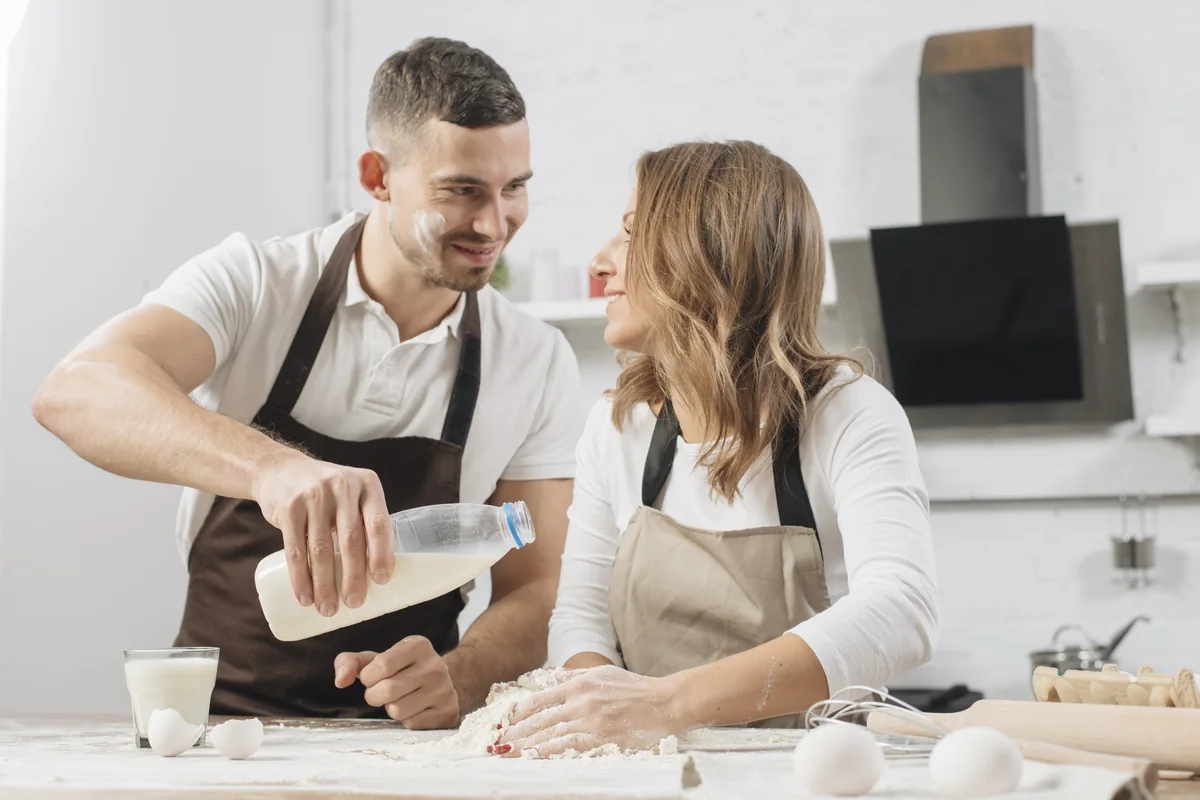
What can you do to relax without spending money?
Everything on this list is free, but these ideas make the most of what you already have.
- Borrow from your public library. Many libraries lend e-books and audiobooks for free through apps. All you need is a library card.
- Follow a free yoga or stretching video. Choose a gentle one labeled for beginners or for bedtime. Fifteen minutes on a towel works fine.
- Help someone. Water a neighbor's plants, send a kind message or check on an older relative. The NHS notes that helping other people can help build resilience, and small favors count.
- Look through old photos. Scroll back a few years in your camera roll or open a printed album. Pick one memory and let yourself stay in it for a minute.
- Watch the sky at dusk. Sit by a window or outside and watch the colors change. On a clear night, look for the first star.
Low-energy ideas for tired days
Some days you can't face anything that sounds like an activity. These ask almost nothing of you.
- Lie down and listen to rain sounds. Or a fan, or a soft playlist. Close your eyes. You don't have to sleep.
- Do nothing for ten minutes. Sit by the window with no phone and no plan. The Dutch call it niksen. Our guide to resting without sleeping explains why doing nothing on purpose is real rest.
- Spend time with your pet. Brush the dog, let the cat sit on your lap, watch the fish. Slow, repetitive moments with an animal are hard to rush.
- Rewatch a comfort movie you own. Something you've seen ten times. You already know the ending, so you can just relax into it.
- Wrap up in a blanket by the window. Watch the clouds, the rain or the street. Bring a warm drink if you have the energy.
- Go to bed early. Sometimes the most relaxing thing is admitting the day is done.
Body or mind: which kind of relaxing do you need?
Not all relaxing activities at home fit every kind of tired. Before you choose, take five seconds and ask: where do I feel it?
- Tense body (tight shoulders, clenched jaw, restless legs): try 1, 2, 6, 8, 14 or 21.
- Busy mind (racing thoughts, can't stop planning): try 7, 10, 11, 13 or 16.
- Drained by people: choose quiet time alone with 23, 24 or 29.
- Lonely: reach out with 17 or 22.
- Totally empty: go straight to 25 through 30.
There's also a good reason not to save relaxing for vacation. In a set of four studies with 1,399 people, Sarah Pressman and colleagues found that those who did more kinds of enjoyable leisure activities tended to have lower blood pressure and cortisol, more positive moods and fewer signs of depression. The study shows a link, not cause and effect, but it fits a simple idea: everyday enjoyment is worth making time for.
Mayo Clinic adds two helpful points. First, it doesn't matter which technique you use. What matters is finding ways to relax that work for you. Second, relaxation is a skill. It gets easier with practice, so be patient with yourself, and if one idea doesn't work, try another.
Want something to look forward to every week, not just a quick fix? Our list of 25 relaxing hobbies for busy adults has ideas that grow with you. And if the whole week feels rushed, not just tonight, try a few slow-living habits for busy weeks.
Frequently asked questions
What can I do to relax at home right now?
Breathe out longer than you breathe in for one minute, then roll your shoulders and drink something warm without a screen. If you have five minutes, step outside, play one song you love and only listen, or play one level of a calm, no-timer game. Pick whatever takes the least effort to start.
What are some relaxing activities for adults?
Reading, walking in nature, cooking without rushing, drawing, gentle yoga, puzzles, listening to music, calling a friend and taking a warm bath are all good options. The best one is the one you enjoy and will actually do. If you're not sure, try one idea a day for a week and keep the ones that help.
How do I relax at home when my mind won't switch off?
Get the thoughts out of your head and onto paper first, then give your mind something gentle to focus on. A brain dump followed by a few pages of a book, a short visualization or a simple puzzle works for many people. Slow breathing, with a longer exhale than inhale, can help your body settle too.
How long should I spend relaxing each day?
There's no magic number. Even five minutes helps, and a few short breaks spread across the day can feel better than one long one. Aim for at least one small moment of real downtime every day, and protect a longer block, like a walk somewhere green or a slow meal, on your day off.
Is scrolling on my phone relaxing?
It can feel that way, but endless feeds often leave people more wired than before. If you use your phone to relax, choose something with a calm pace and a clear end, like a short game level, a song or a call with a friend. Then put the phone in another room before bed.
Sources
- Mayo Clinic: Relaxation techniques: Try these steps to lower stress
- NHS: 10 stress busters
- White et al. (2019). Spending at least 120 minutes a week in nature is associated with good health and wellbeing. Scientific Reports, 9
- Pressman et al. (2009). Association of enjoyable leisure activities with psychological and physical well-being. Psychosomatic Medicine, 71(7)
- Photos: cover by ArtPhoto_studio on Freepik, baking together by Freepik.
Munchy Ants
A calm color puzzle with no timer. Play at your own pace. Free to play.
This article is general information, not medical advice. If stress feels overwhelming, talk to a health professional. Written by the Munchy Ants team. See our editorial policy: how we research, check and correct our articles.