Stress Baking: Why It Calms You and 10 Easy Bakes
Why does stress baking feel so good? What research says about baking and mood, how to make it a calm ritual and 10 easy, forgiving bakes to try.
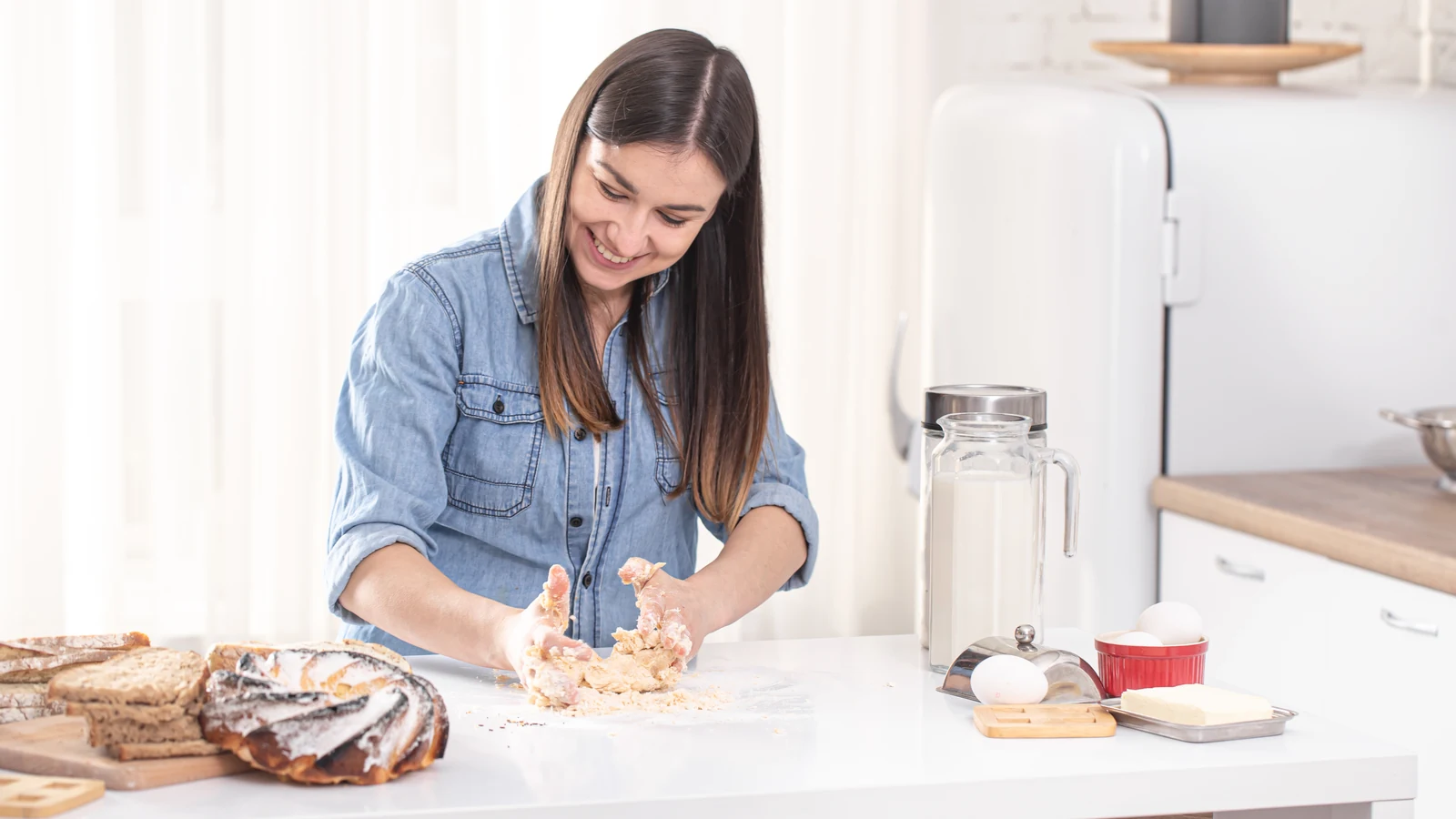
Stress baking is baking to calm down: measuring, stirring and kneading after a hard day, then waiting for something warm to come out of the oven. It helps many people because it gives the hands and senses one simple job and ends with something real to eat or share. Below, what research says about creative activity and mood, how to keep baking calm, and 10 easy, forgiving bakes.
Key takeaways
- Stress baking means baking to unwind. One clear task, warm smells and a finished loaf all help.
- In a 13-day diary study of 658 young adults, days with more creative activity than usual were followed by more energy, enthusiasm and flourishing.
- A review of 11 cooking programs found signs of better mood, self-esteem and social life, though most studies were small.
- Forgiving recipes, a quick read-through and a clean-as-you-go habit keep baking calm.
- Sharing what you bake is half the pleasure.
What is stress baking?
Stress baking is turning to the oven when your head is full. Some people bake bread at the end of a long week. Others make a tray of cookies at 10 p.m. because their hands want something to do. People also call it comfort baking or baking as therapy, though it's a hobby, not a treatment.
The appeal is simple. A recipe tells you exactly what to do next, on a day when little else does. Flour, butter and sugar behave the same way every time. In about an hour, you go from a messy counter to a cooling rack, and the house smells better than any candle.
Why is baking so relaxing?
Baking keeps your attention in the room. You can't scroll with dough on your hands, and it's hard to replay tomorrow's meeting while you watch butter melt. Three things seem to do the work.
One task, full attention
Baking asks for steady, low-stakes focus: level the flour, crack the egg, fold until the streaks disappear. That kind of focus leaves little room for a loop of worries, and it doesn't demand any talent.
Making something new
Baking is everyday creativity, and creativity has been linked to feeling good. In a diary study of 658 young adults, Tamlin Conner, Colin DeYoung and Paul Silvia found that people felt more energized and enthusiastic, and reported more flourishing, on the days after they spent more time than usual on creative goals. The study didn't record which activities people chose. But the University of Otago's release about it lists making new recipes among the most common creative activities, next to knitting and painting.
Something real at the end
Unlike most work, a bake ends. You can see, smell and taste the result. Research on cooking points the same way, with caveats. A 2018 systematic review by Farmer, Touchton-Leonard and Ross found 11 studies of cooking programs, run in hospitals and in the community. Together they suggested gains in socializing, self-esteem, quality of life and mood. The authors call the evidence preliminary and limited: most studies were small and not randomized.
Leisure itself matters too. Across four studies with 1,399 people, Sarah Pressman and colleagues found that those with more enjoyable leisure activities had more positive moods, less depression and lower blood pressure and cortisol. It's a link, not proof, but a good reason to protect a slow Saturday with flour on the counter. If baking isn't for you, our list of relaxing hobbies has plenty of other ideas.
When baking isn't enough
Eating some of what you bake is part of the joy. But if food has become your main way to cope, or stress hasn't lifted in weeks, talk to a doctor. If you feel in crisis, call or text 988 in the U.S. It's free, confidential and open 24/7.
Make it calm, not another chore
Baking can turn stressful fast: a missing ingredient, a sink full of bowls, a cake that sinks. A few habits keep it a pleasure.
- Pick a recipe you trust. On a hard day, bake something you've made before or something with few steps.
- Read the whole recipe first. Then set out every ingredient and tool. Chefs call it mise en place, "everything in its place," and it prevents most mid-recipe panic.
- Fill the sink with warm, soapy water before you start. Drop each bowl in as you finish with it, and the cleanup shrinks to a few minutes.
- Make a half batch. Twelve cookies feel like a treat. Forty-eight feel like a job.
- Lower the bar. Cracked tops, lopsided loaves and uneven cookies taste just as good.
Then use the waiting. The rise, the bake and the cooling are built-in breaks. Make tea, sit by the window or put on music. If your hands want something to do while the oven runs, one calm puzzle level fills the gap without falling into a scroll. One option is our game, Munchy Ants: a calm, no-timer color puzzle where you tap a box and a line of ants marches out to eat a pixel-art picture made of sugar cubes. It's free to play on iPhone and Android.

Munchy Ants
A calm color puzzle with no timer. Play at your own pace. Free to play.
For slow evenings away from the kitchen, browse our list of relaxing things to do at home.
10 easy, forgiving bakes for stress baking
These bakes tolerate a heavy hand, a rough measure and a distracted moment. Use a trusted recipe for amounts and oven temperature.
1. Banana bread
The blacker the bananas, the better. Mash them with a fork, stir in the wet ingredients, then the dry ones, and stop as soon as the flour disappears. A lumpy batter makes a tender loaf.
2. No-knead bread
Stir flour, water, salt and a pinch of yeast into a shaggy dough, cover it and walk away for many hours, often overnight. Time does the kneading for you. Bake it in a hot, lidded pot for a crackly crust.
3. Focaccia
The dough is meant to be sticky, so there's little to get wrong. Let it rise in an oiled pan, then press deep dimples into it with your fingertips. That last step may be the most soothing minute in baking.
4. Sheet-pan cookies
Press cookie dough into a lined pan instead of scooping dozens of balls. Bake, cool and cut into squares. Same taste, a fraction of the fuss.
5. Muffins
Mix wet and dry ingredients in two bowls, then combine them with a few strokes. Lumps are fine; overmixing is the real mistake. Fold in blueberries, chocolate chips or grated apple.
6. Fruit crumble
Put any fruit in a dish: apples, pears, berries, even frozen fruit. Rub flour, butter and sugar between your fingertips until it looks like sand, add oats if you like, scatter it on top and bake until the fruit bubbles.
7. Soda bread
No yeast and no rising time: baking soda and buttermilk do the lifting. Mix a rough dough, shape a round, cut a deep cross on top and bake. It's on the table in about an hour.
8. One-bowl brownies
Melt butter and chocolate, stir in sugar, eggs and a little flour, and pour into a pan. Slightly underbaked brownies are fudgy, not ruined, which makes them one of the most forgiving bakes there is.
9. Rustic fruit galette
A free-form tart with no pan to line. Roll out pastry (store-bought is fine), pile sliced fruit in the middle and fold the edges over. Cracks and uneven folds are part of the look.
10. Granola
Toss oats, nuts and seeds with a little oil and honey or maple syrup, spread them on a tray and bake low and slow, stirring once or twice. The house smells wonderful, and breakfast is sorted for days.
How do you bake with kids without the chaos?
Baking with kids is rarely calm, but it can be happy. Treat it as time together, not as a bake you need to get perfect.
- Choose the moment. Pick a slow weekend morning, not the hour before dinner when everyone is hungry.
- Prep before they join you. Measure ingredients into small bowls, like a cooking show. Kids get the fun parts: pouring, stirring, mashing and sprinkling.
- Give each child a real job. Little ones can wash fruit or stir. Older kids can crack eggs into a cup first, read the recipe aloud or line the pan.
- Contain the mess. Set the mixing bowl on a baking sheet to catch spills, and keep a damp towel within reach.
- Keep the hot jobs for adults. The oven and sharp knives are yours.
- Skip the raw dough. The CDC advises not to eat raw dough or batter, or let children play with dough made with raw flour, including homemade play dough. Wash hands with soap and water after handling flour or raw eggs. Set aside a few chocolate chips for tasting instead.
Sharing: the feel-good part
A warm loaf is more fun to give than to finish alone. Bring muffins to a neighbor or leave cookies in the office kitchen. In the cooking programs Farmer's team reviewed, socializing was one of the outcomes that improved, and sharing food is the simplest version of that at home.
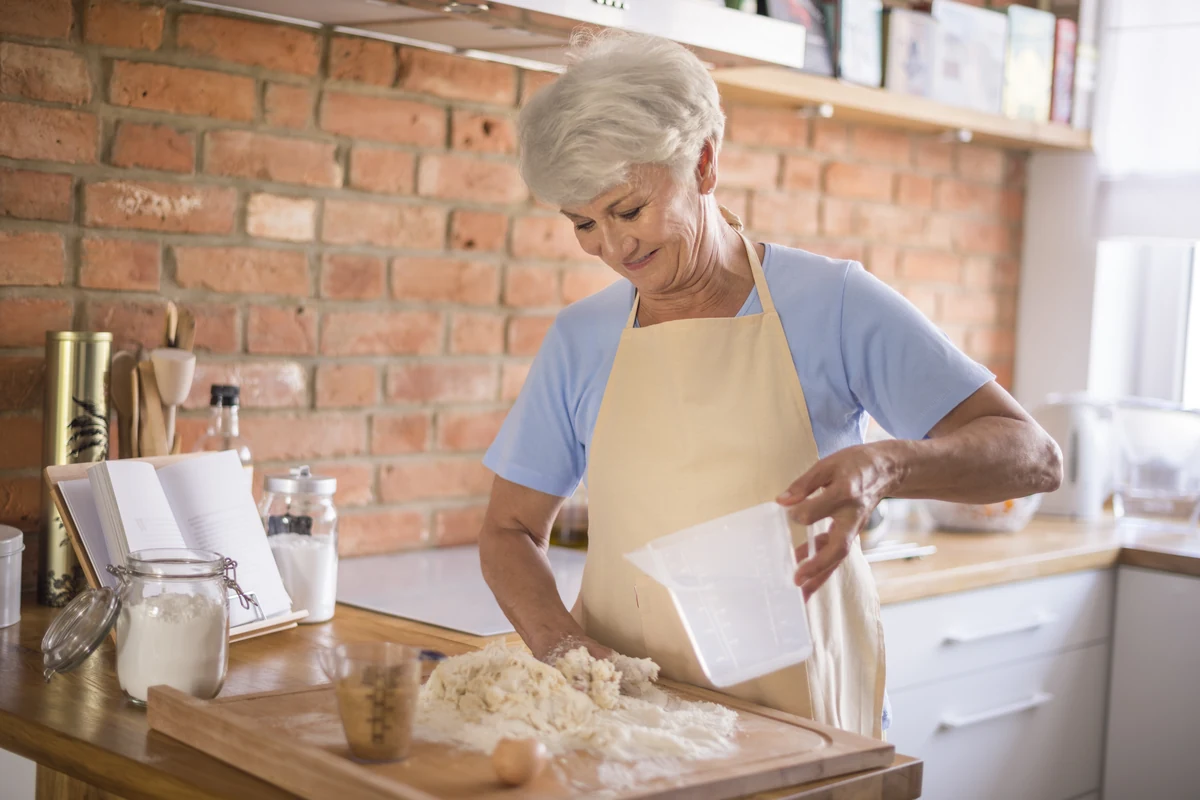
The best recipe to share may be one with a story. Ask the relative who makes the family's best cake for the recipe and the memory behind it, then bake it together, side by side or on a video call. It's one of the slow traditions in our list of Christmas activities for adults, and it works in any season.
Frequently asked questions
Why do people bake when they're stressed?
People bake when stressed because it gives the mind one clear task with a predictable result. Measuring, stirring and kneading keep the hands busy and the attention in the room. Warm smells add comfort, and in about an hour there's something finished to eat or share, which a stressful day rarely offers.
Is stress baking healthy?
Stress baking can be a healthy way to unwind when it stays a pleasure. Bake for the process, enjoy a slice and share the rest with neighbors, friends or colleagues. If food becomes your main way to cope, or stress lasts for weeks, talk to a doctor about other kinds of support.
Is baking a form of therapy?
Baking isn't therapy in the clinical sense, but it can feel therapeutic. Cooking programs are used in some therapeutic and rehabilitation settings, and a 2018 review found early signs of better mood and self-esteem. For everyday stress, think of baking as a calming hobby, not a replacement for professional care.
What is the easiest thing to bake when stressed?
The easiest bakes when stressed are the forgiving ones: banana bread, muffins, fruit crumble, sheet-pan cookies and one-bowl brownies. They need no special skill or equipment, tolerate rough measuring and lumpy batter, and are usually ready in about an hour. No-knead bread takes longer but needs only minutes of work.
How do you make baking less stressful?
Choose a recipe you trust, read it through before you start and set out every ingredient first. Fill the sink with warm, soapy water and clean as you go. Make a half batch, treat the waiting time as a break and accept cracked tops: they taste exactly the same.
Sources
- Conner, T. S., DeYoung, C. G., & Silvia, P. J. (2018). Everyday creative activity as a path to flourishing. The Journal of Positive Psychology, 13(2), 181-189.
- University of Otago (2016, November 23). Creative activities promote day-to-day wellbeing. EurekAlert!
- Farmer, N., Touchton-Leonard, K., & Ross, A. (2018). Psychosocial benefits of cooking interventions: a systematic review. Health Education & Behavior, 45(2), 167-180.
- Pressman, S. D., et al. (2009). Association of enjoyable leisure activities with psychological and physical well-being. Psychosomatic Medicine, 71(7), 725-732.
- Centers for Disease Control and Prevention (2025). Raw flour and dough.
- 988 Suicide & Crisis Lifeline.
- Photos: cover by pvproductions, baking at home by gpointstudio.
Munchy Ants
A calm color puzzle with no timer. Play at your own pace. Free to play.
This article is general information, not medical advice. If stress feels overwhelming, talk to a health professional. Written by the Munchy Ants team. See our editorial policy: how we research, check and correct our articles.