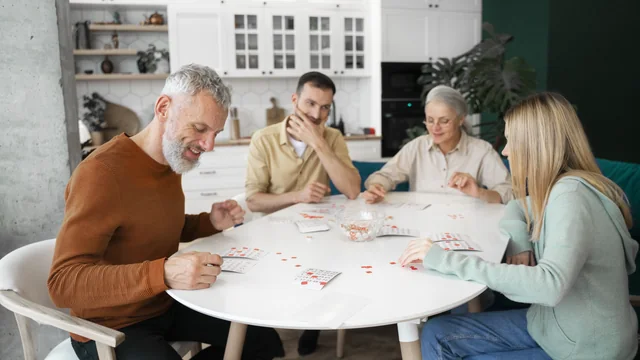
Winter Break Activities: 40 Calm Ideas for the Family
40 winter break activities for families: cozy indoor ideas, outdoor time, low-cost outings and a simple daily rhythm so the break feels restful.
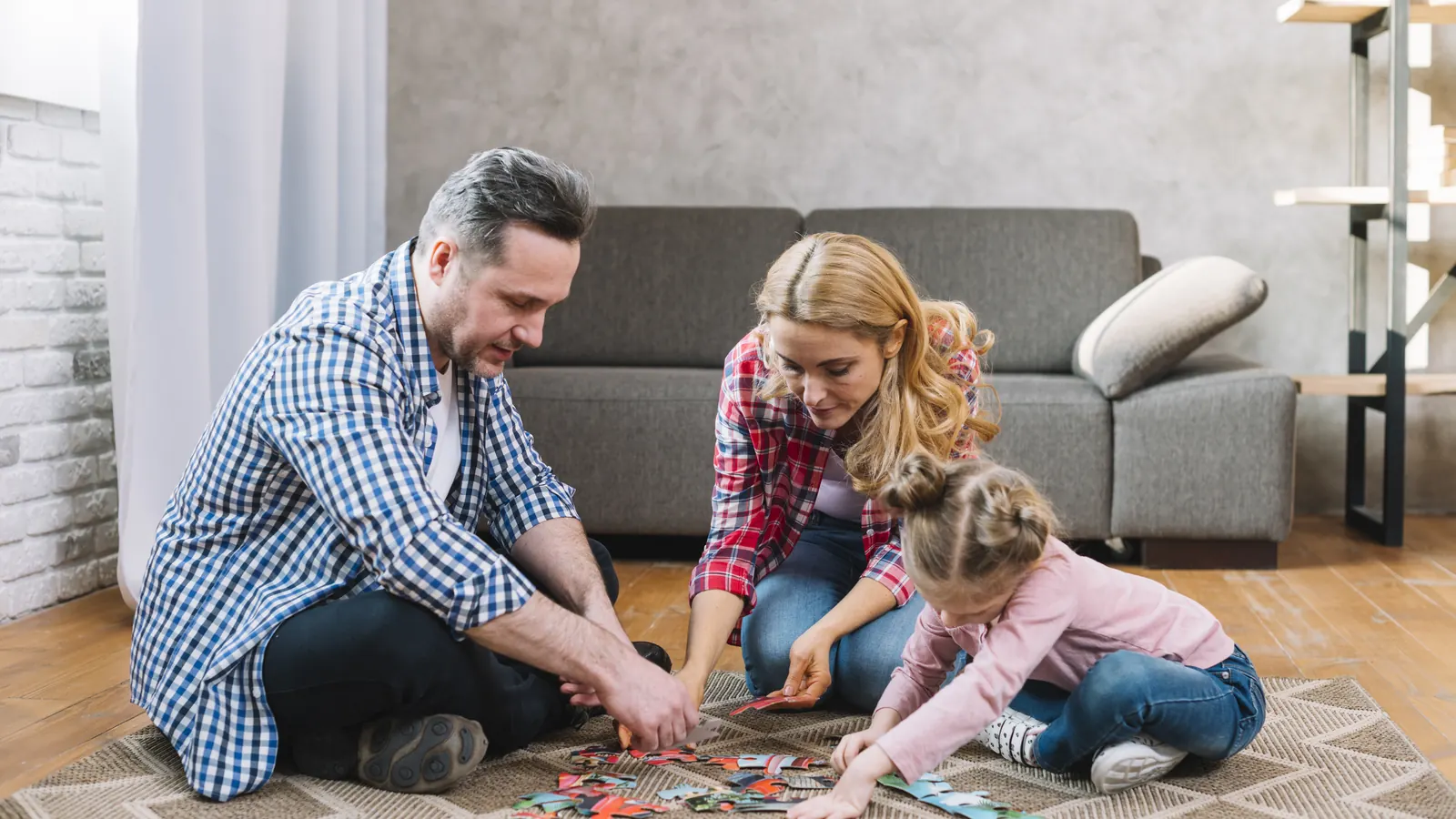
The best winter break activities for families are simple: a puzzle on the rug, a walk in the cold air, a library trip, a baking afternoon and a few slow mornings. You don't need a packed schedule or a big budget. Below are 40 calm ideas for two weeks at home, grouped by type, plus a loose daily rhythm and a simple screen plan, so the break feels restful for kids and parents alike.
Key takeaways
- A loose daily rhythm, with one outing, one quiet slot and one shared meal, beats a packed schedule.
- The CDC says kids aged 6 to 17 need at least 60 minutes of moderate-to-vigorous activity a day, break or not.
- Free outings, like the library, a sledding hill or a lights walk, work as well as paid ones.
- Play with parents and peers builds social, emotional, language and self-regulation skills, according to the American Academy of Pediatrics.
- Screens can fit in: revisit your family media plan, turn off autoplay and choose games with an end.
How do you plan winter break without a schedule?
Give each day a loose shape instead of a timetable. A rhythm tells everyone roughly what comes next, without anyone watching the clock. Try five anchors:
- Slow mornings. Pajamas, pancakes, no rush.
- One big thing. An outing, a baking project or a friend coming over. One, not three.
- Quiet time after lunch. Books, puzzles or a nap, every day at the same time.
- Outside every day, even for a short walk in the cold.
- A shared dinner with phones away from the table.
Why leave so much open? In an AAP clinical report on play, pediatrician Kenneth Ginsburg noted that time for free play has shrunk sharply for some children, and he named a hurried lifestyle as one cause. A school break is a chance to give that time back. A little boredom is fine, too: it's often where kids invent their own games.
Jot one idea per day on a sheet of paper, stick it on the fridge and let the rest of the day happen.
Cozy indoor winter break activities
For cold, gray or rainy days. Most need things you already have. To make the house itself feel warmer in the evenings, borrow a few Danish hygge habits.
- Build a blanket fort with chairs, sheets and clothespins, then read inside with a flashlight.
- Start a family jigsaw puzzle on a side table and let anyone add pieces as they pass.
- Bake something simple. Kids can measure, stir and decorate cookies or banana bread.
- Hold a board game afternoon with a snack bowl and one rule: no keeping score with little ones.
- Make paper snowflakes and tape them to the windows.
- Put on a living-room show: a puppet play, a talent show or a dance recital, with hand-drawn tickets.
- Write and illustrate a family book about something that happened this year.
- Set up an indoor obstacle course with cushions, a crawl under the table and a balance line of tape.
- Try a kitchen science experiment, like a baking soda and vinegar volcano.
- Have a pajama movie night with homemade popcorn and the lights off.
- Make thank-you cards for the people and gifts of the holidays.
- Sort the toy box together and pick a few things to donate.
On days with cousins in the house, our list of family Christmas games has plenty of louder ideas.
Outdoor and nature ideas
A walk outside can change the mood of a house that's been indoors too long, and it counts toward the movement kids need. The CDC says children aged 3 to 5 should be physically active throughout the day. Those aged 6 to 17 need 60 minutes or more of moderate-to-vigorous activity daily, with vigorous activity, muscle strengthening and bone strengthening each on at least 3 days a week.
- Go sledding on a gentle hill, feet first or sitting up.
- Build a snow family, or a stick-and-leaf fort when there's no snow.
- Do a winter scavenger hunt: a pine cone, a red berry, animal tracks, a frozen puddle.
- Feed the birds with a pine cone rolled in peanut butter and seeds, then count visitors from the window.
- Paint the snow with spray bottles of water and a few drops of food coloring.
- Take a nighttime lights walk with a thermos of cocoa.
- Look at the stars on a clear night. Winter dark comes early, so little kids can stay up for it.
- Try a new trail or park, even one close to home.
Dress for it. The AAP's tips for playing outside in winter recommend several thin layers, insulated boots, mittens or gloves and a hat, plus regular indoor breaks to warm up. Children under 12 should always be supervised while sledding.
What are free and cheap things to do over winter break?
Plenty. Many of the best outings cost nothing or close to it.
- Visit the library. Pick a stack of books and check the calendar for story times or crafts.
- Go to a museum on a free day, if one near you offers it.
- Ride a bus or train somewhere new just for the ride. Small kids love it.
- Have a living-room picnic on a blanket, or a park picnic on a mild day.
- Swap playdates with another family, so each set of parents gets a quiet afternoon.
- Tour the neighborhood lights by car or on foot and vote for a favorite house.
- Go to an indoor pool or ice rink during public hours.
- Volunteer together, like making cards for a senior center or sorting food drive donations.
Driving to see family? A few offline games for iPhone help when the signal drops.
Quiet time for kids (and for you)
Two weeks together is a lot of togetherness. A daily quiet time, after lunch or before dinner, gives everyone a reset. Small kids can rest with books; older kids can draw, build or listen to an audiobook in their room.
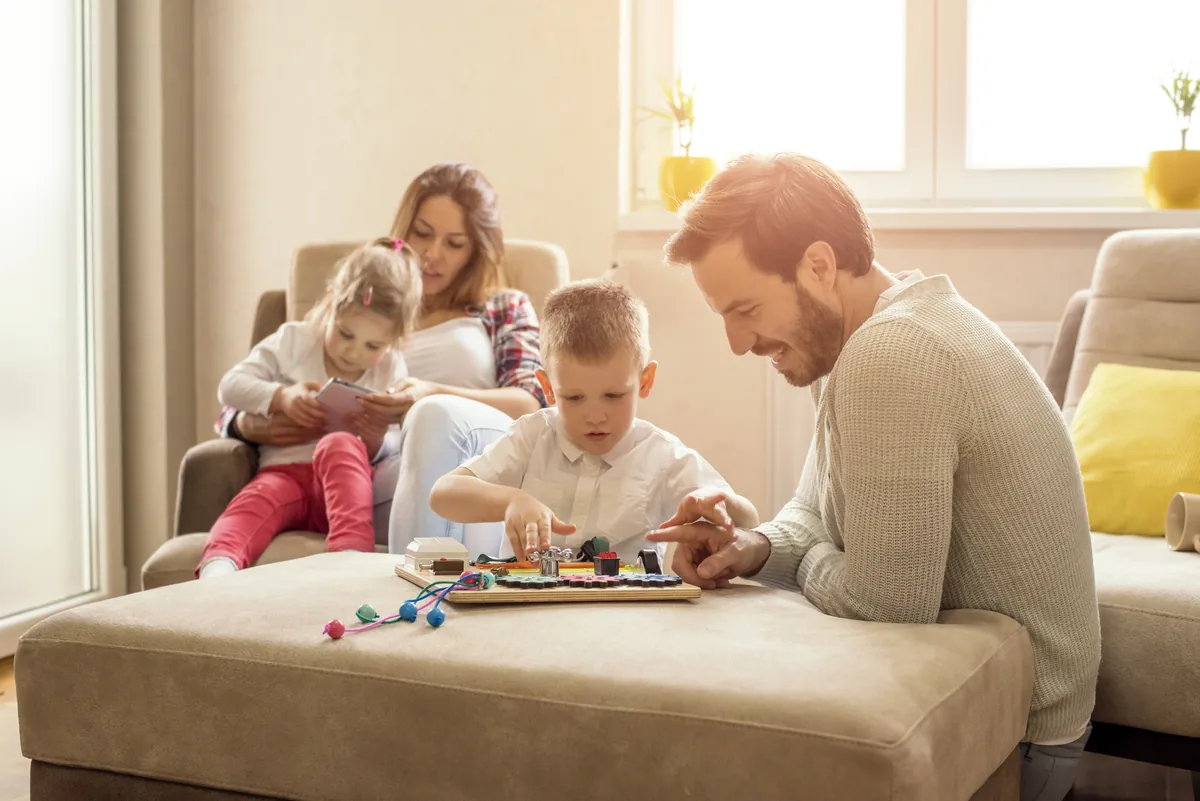
- Make a quiet basket with books, sticker pads, coloring pages and a small puzzle.
- Listen to an audiobook together while everyone draws.
- Play with clay or play dough at the kitchen table.
- Build with blocks with no instructions.
- Keep a winter break journal: one sentence and one drawing a day.
- Lie down and listen to music or a calm story with the lights low.
Quiet play is still play, and play matters. In its clinical report The Power of Play, the AAP says play with parents and peers builds social-emotional, cognitive, language and self-regulation skills. It adds that the joy parents and children share during play helps regulate the body's stress response.
Quiet time is for you too. Read a chapter, sit with a coffee or just look out the window. If work keeps pinging you over the break, these tips for switching off from work on vacation can help. For your own short breaks, try these small ways to breathe again, or our list of relaxing things to do at home once the kids are asleep.
Screen time without guilt: a simple plan
Screens will be part of most winter breaks, and that's fine. What matters is the plan around them. The AAP's guide to making a family media plan suggests screen-free times and places, such as meals and bedtime, turning off autoplay and notifications, and leaving room for reading, outdoor play, family games and hobbies. It asks parents to plan for themselves too, and it names holiday breaks as a good time to review the plan.
When we checked that guide on November 20, 2026, it gave no single daily hour count. The AAP's newest digital media guidance, from January 2026, looks beyond minutes to what kids watch and how apps are built, and warns that features that encourage endless scrolling can cut into sleep.
A simple plan for the break:
- Write the plan together at the start of the break, for each child's age, and include the adults.
- Keep screens off the table and out of bedrooms at night.
- Turn off autoplay so one episode doesn't become four.
- Make movie night an event, with one film the whole family watches together.
- Video-call faraway family and let kids show off a drawing or a new toy.
- Choose calm games with an end instead of endless feeds, and use them as a short quiet-time slot.
That last idea is where we come in. Our game, Munchy Ants, is a calm color puzzle with no timer: you tap a box and a line of ants marches out to eat a pixel-art picture made of sugar cubes. It's free to play on iPhone and Android, and each level ends when the picture is gone, which gives "just one more" a natural stopping point.

Munchy Ants
A calm color puzzle with no timer. Play at your own pace. Free to play.
Frequently asked questions
What can kids do over winter break at home?
Kids can build a blanket fort, bake cookies, start a family jigsaw, put on a living-room show, run an indoor obstacle course or make paper snowflakes. Add a daily quiet basket with books and play dough, and get outside once a day for sledding, a scavenger hunt or a walk. Simple materials are usually enough.
How do I keep kids busy over winter break without endless screens?
Give each day a loose rhythm: a slow morning, one planned activity, quiet time after lunch, time outside and a shared dinner. Keep a basket of quiet activities within reach, and invite a friend over now and then. Agree on screen-free times, like meals and bedtime, so screens fill gaps rather than whole days.
How much screen time is okay during winter break?
The AAP's family media plan guide doesn't give one daily number. It suggests a plan built around your family, with screen-free meals and bedtimes, autoplay turned off and room for reading, outdoor play and games. Its January 2026 guidance also looks at content and app design, not just minutes. Your pediatrician can help tailor a plan.
What are cheap things to do over Christmas break?
Visit the library, walk the neighborhood lights, go sledding, picnic in the living room, swap playdates with another family or take a bus ride somewhere new. Check whether a local museum has a free day. At home, baking, puzzles, blanket forts and a movie night with homemade popcorn cost very little.
How much exercise do kids need over winter break?
The same as the rest of the year. The CDC says children aged 3 to 5 should be active throughout the day, and those aged 6 to 17 need at least 60 minutes of moderate-to-vigorous activity daily. Sledding, snow play, an indoor obstacle course or a living-room dance party all count toward it.
Sources
- American Academy of Pediatrics Council on Communications and Media (2026). How to make a family media plan. HealthyChildren.org.
- Radesky, J. (2026). Understanding the new AAP digital media guidelines for screen time and social media. American Academy of Pediatrics.
- Centers for Disease Control and Prevention (2025). Child activity: An overview. CDC.
- American Academy of Pediatrics Council on Injury, Violence & Poison Prevention (2026). Playing outside in winter: Tips to keep kids warm and safe. HealthyChildren.org.
- Yogman, M., Garner, A., Hutchinson, J., Hirsh-Pasek, K., & Golinkoff, R. M. (2018). The Power of Play: A Pediatric Role in Enhancing Development in Young Children. Pediatrics, 142(3), e20182058.
- Ginsburg, K. R. (2007). The importance of play in promoting healthy child development and maintaining strong parent-child bonds. Pediatrics, 119(1), 182-191.
- Photos: cover by Freepik, family quiet time by wirestock.
Munchy Ants
A calm color puzzle with no timer. Play at your own pace. Free to play.
This article is general information, not medical advice. If stress feels overwhelming, talk to a health professional. Written by the Munchy Ants team. See our editorial policy: how we research, check and correct our articles.